
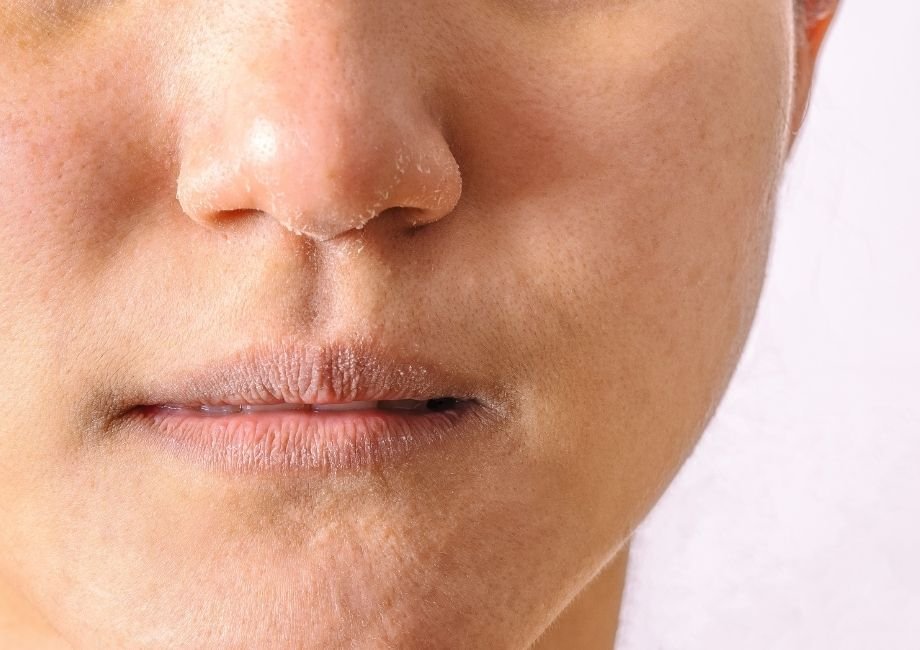
As winter approaches, many people notice sudden changes in their skin. Skin that felt normal in summer starts becoming dry, tight, itchy, dull, or flaky. Lips crack, hands become rough, and even oily skin may start feeling uncomfortable.
Winter dryness is very common in India, especially in North Indian regions like Chandigarh, Zirakpur, and Panchkula, where cold air and low humidity affect the skin barrier.
This detailed guide is written by Dr. Monika Kucheria, a trusted skin expert and the best dermatologist in Chandigarh, to help you understand why winter damages the skin and how to protect it properly with the right skincare routine.
Why Does Skin Become Dry in Winter?
During winter, the air holds less moisture. Cold winds, low humidity, indoor heaters, and hot showers strip away the skin’s natural oils. As a result, the skin barrier becomes weak and unable to retain hydration.
Winter dryness is caused by:
- Cold weather and dry air
- Low humidity levels
- Hot water baths
- Frequent face washing
- Skipping moisturiser
- Reduced water intake
- Poor skincare choices
When the skin barrier is damaged, skin loses moisture faster, leading to dryness, irritation, redness, and itching.
Professional guidance under Dermatology Services helps prevent long-term damage during seasonal changes.
Common Winter Skin Problems Seen in Indian Patients
Many people ignore early signs of winter damage, which later turn into bigger skin issues.
Common winter concerns include:
- Dry, tight, and itchy skin
- White flakes on face and body
- Dull and lifeless complexion
- Chapped lips
- Cracked heels and hands
- Worsening eczema or sensitivity
- Increased fine lines due to dehydration
Seasonal skin issues are effectively managed under Skin Problems Treatments with personalised care.
How Winter Affects Different Skin Types
Winter does not affect everyone in the same way. Your skincare must change according to your skin type.
Dry Skin in Winter
Dry skin becomes extremely tight and flaky in winter. Without proper moisturisation, it may start itching or cracking.
Dry skin needs:
- Rich moisturisers
- Barrier-repair ingredients
- Reduced exfoliation
- Gentle cleansing
Hydration-boosting treatments under Most Popular Treatments help restore softness and glow.
Oily Skin in Winter
Many people with oily skin stop moisturising in winter, thinking they don’t need it. This actually worsens oil production.
Oily skin still needs:
- Lightweight moisturisers
- Gentle cleansers
- Hydration without heaviness
Acne flare-ups and oil imbalance are treated under Skin Problems Treatments.
Combination Skin in Winter
Combination skin may develop dry patches on cheeks while the T-zone remains oily.
Balanced skincare and professional advice under Dermatology Services help maintain comfort.
Sensitive Skin in Winter
Sensitive skin often worsens during winter due to dryness and temperature changes.
Sensitive skin requires:
- Minimal products
- Fragrance-free formulas
- Barrier-repair moisturisers
Dermatologist-guided care under Dermatology Services is highly recommended.
Essential Winter Skincare Routine (Step-by-Step)
A winter skincare routine should focus on hydration, protection, and repair.
1. Gentle Cleansing
Avoid harsh face washes that foam too much. Over-cleansing removes natural oils and worsens dryness.
Winter cleansing tips:
- Wash face twice daily only
- Use mild, non-drying cleansers
- Avoid very hot water
2. Moisturising – The Most Important Winter Step
Moisturising is non-negotiable in winter. It helps seal moisture and repair the skin barrier.
Choose moisturisers with:
- Ceramides
- Hyaluronic acid
- Glycerin
- Shea butter
- Squalane
Dermatologist-recommended moisturisers are prescribed under Dermatology Services.
3. Sunscreen Is Still Important in Winter
Many people skip sunscreen in winter, but UV rays are present all year round and still cause pigmentation and ageing.
Winter sunscreen benefits:
- Prevents tanning
- Reduces pigmentation
- Protects against premature ageing
Medical-grade sunscreens are advised under Dermatology Services.
4. Reduce Exfoliation
Over-exfoliating in winter can damage the skin barrier.
Winter exfoliation tips:
- Exfoliate once every 10–14 days
- Avoid harsh scrubs
- Use mild chemical exfoliants only if advised
5. Lip, Hand & Body Care
Winter affects more than just your face.
Do not forget:
- Lip balms with nourishing oils
- Hand creams after washing
- Body lotions immediately after bathing
- Foot creams for cracked heels
Professional Treatments That Help in Winter
Winter is actually one of the best seasons for skin treatments because sun exposure is less.
HydraFacial, offered under Most Popular Treatments, deeply hydrates and repairs dry winter skin.
Chemical Peels, available under Skin Problems Treatments, improve dullness, pigmentation, and uneven texture safely in winter.
Laser Skin Rejuvenation, provided through Laser Treatments, helps improve texture, fine lines, and pigmentation when done under expert supervision.
Advanced aesthetic procedures are performed under Cosmetology Services, while winter-related hair fall and scalp dryness are managed under Hair Treatments.
Why Choose Dr. Monika Kucheria for Seasonal Skin Care
Patients trust Dr. Monika Kucheria because she understands how seasonal changes affect Indian skin.
She is known for:
- Customised seasonal skincare routines
- Safe, medical-grade treatments
- Honest advice (no unnecessary products)
- Focus on long-term skin health
- Natural and healthy results
Choosing the best dermatologist in Chandigarh ensures your skin stays healthy in every season.
Prepare Your Skin for Winter Today
Do not wait for dryness, itching, or pigmentation to worsen. Prepare your skin early with expert guidance from Dr. Monika Kucheria.
Book your consultation easily through the Contact Page and get a personalised winter skincare plan.