
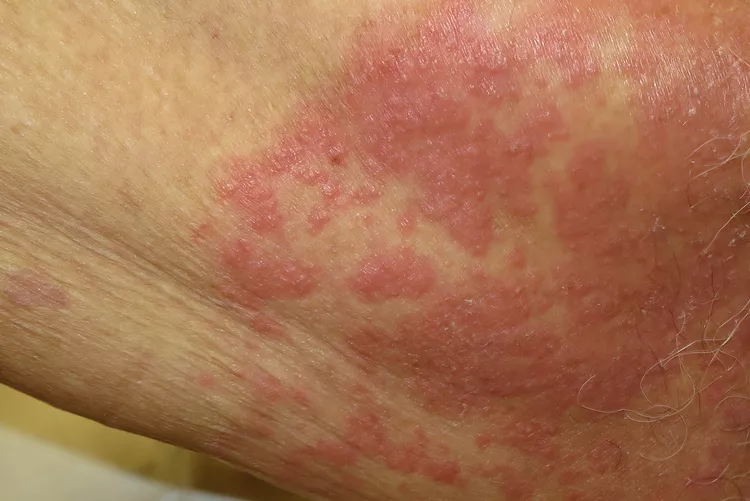
Fungal infections are one of the most common skin problems seen in India. Almost everyone experiences a fungal infection at least once in their life. It becomes even more common during hot, humid, and rainy seasons.
Many people ignore fungal infections in the beginning, thinking they will go away on their own. However, without proper treatment, these infections often spread, become itchy, and keep coming back.
This guide is written by Dr. Monika Kucheria, a trusted skin expert and the best dermatologist in Chandigarh, to help you understand fungal infections in a simple way and learn how to prevent and treat them correctly.
What Are Fungal Infections?
Fungal infections are skin infections caused by fungus that grows in warm, moist areas of the body. Fungi love sweat, humidity, and tight clothing, which is why these infections are very common in India.
They usually affect areas like:
- Groin
- Inner thighs
- Under breasts
- Between toes
- Armpits
- Waistline
- Neck and face (in some cases)
Early diagnosis and treatment under Dermatology Services help stop the infection from spreading.
Common Types of Fungal Infections Seen in India
Different types of fungal infections affect different parts of the body.
Ringworm (Tinea)
Despite the name, ringworm is not caused by worms. It appears as round or oval red patches with itching and scaling.
Jock Itch
This infection affects the groin and inner thighs and causes severe itching, redness, and burning.
Athlete’s Foot
It occurs between the toes and causes itching, cracking, and peeling skin.
Candidal Infections
These are common under breasts, in skin folds, and in diaper areas, especially in diabetics.
All these conditions are treated under Skin Problems Treatments with proper medicines.
Why Fungal Infections Are So Common in India
Fungal infections spread easily in our climate and lifestyle.
Common causes include:
- Hot and humid weather
- Excessive sweating
- Wearing tight clothes
- Synthetic fabrics
- Poor hygiene
- Sharing towels or clothes
- Diabetes or low immunity
- Using steroid creams without advice
Many patients worsen their condition by applying random creams suggested by friends or chemists. This leads to stubborn and recurring infections.
Correct treatment under Dermatology Services is very important.
Common Symptoms of Fungal Infections
Fungal infections usually do not start suddenly. Symptoms gradually increase.
Watch out for:
- Severe itching
- Red or dark patches
- Ring-shaped rashes
- White scaling or peeling
- Burning sensation
- Cracked skin
- Spread of rash to nearby areas
If symptoms last more than a few days, consult a dermatologist early.
How Fungal Infections Spread
Fungal infections spread easily from one area to another and from one person to another.
They spread by:
- Scratching infected areas
- Using the same towel on different body parts
- Wearing unwashed clothes
- Sharing clothes, towels, or bedsheets
- Not drying skin properly after bathing
Proper guidance under Skin Problems Treatments helps prevent spreading.
How to Prevent Fungal Infections
Prevention is always better than treatment, especially for fungal infections.
Simple prevention tips:
- Keep skin clean and dry
- Dry body folds properly after bathing
- Wear loose cotton clothes
- Avoid tight jeans and leggings
- Change sweaty clothes immediately
- Do not share towels or clothes
- Wash towels and undergarments daily
- Avoid using steroid creams without doctor advice
Following these habits reduces repeat infections significantly.
Treatment of Fungal Infections
Fungal infections need proper medical treatment. Home remedies or over-the-counter creams often give temporary relief but do not cure the infection.
Topical Medicines
Mild infections are treated with antifungal creams, lotions, or powders.
Oral Medicines
Severe or widespread infections need antifungal tablets for complete cure.
Lifestyle Changes
Treatment is incomplete without hygiene and clothing changes.
Treatment plans are customised under Dermatology Services depending on severity and recurrence.
Why Fungal Infections Keep Coming Back
Many patients complain that their fungal infection returns again and again.
Common reasons:
- Incomplete treatment
- Stopping medicines early
- Using steroid mixed creams
- Poor hygiene
- Untreated family members
- Diabetes not under control
Proper diagnosis and complete treatment under Skin Problems Treatments help prevent recurrence.
When Should You See a Dermatologist?
You should consult a dermatologist if:
- Infection is spreading
- Severe itching is present
- No improvement in 7–10 days
- Infection keeps recurring
- You have diabetes
- Infection affects face or groin
Early consultation with the best dermatologist in Chandigarh leads to faster and safer recovery.
Why Choose Dr. Monika Kucheria for Fungal Infection Treatment
Patients trust Dr. Monika Kucheria because she provides honest, safe, and effective treatment.
She is known for:
- Accurate diagnosis
- Proper antifungal treatment
- Avoidance of harmful steroid creams
- Clear hygiene guidance
- Focus on complete cure, not temporary relief
Her experience with Indian skin and climate makes treatment effective.
Get Proper Treatment Today
Do not ignore fungal infections or self-medicate. Early treatment prevents spreading and recurrence.
Consult Dr. Monika Kucheria, the best dermatologist in Chandigarh, for proper fungal infection treatment.
Appointments can be booked easily through the Contact Page